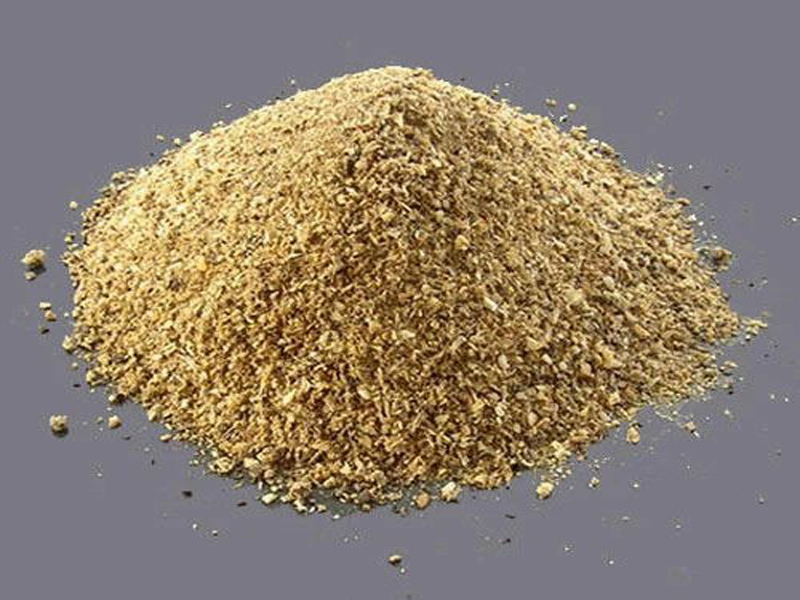
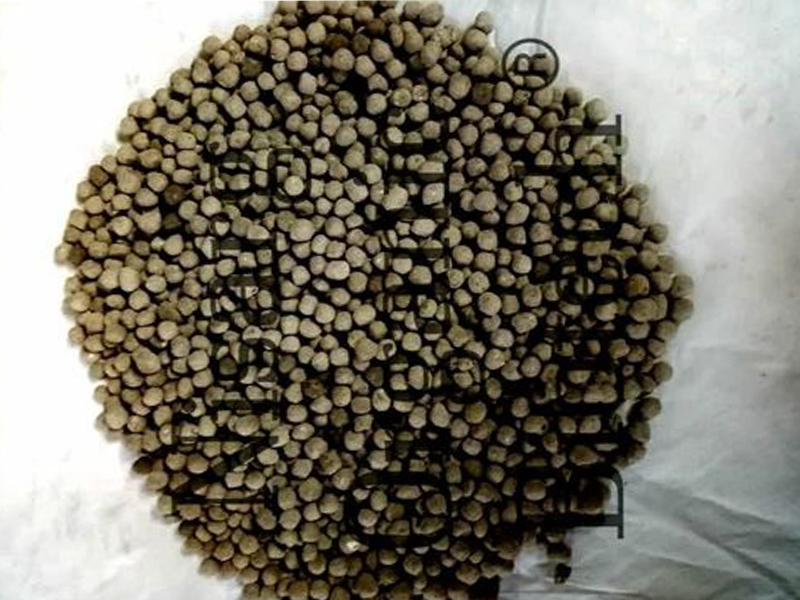
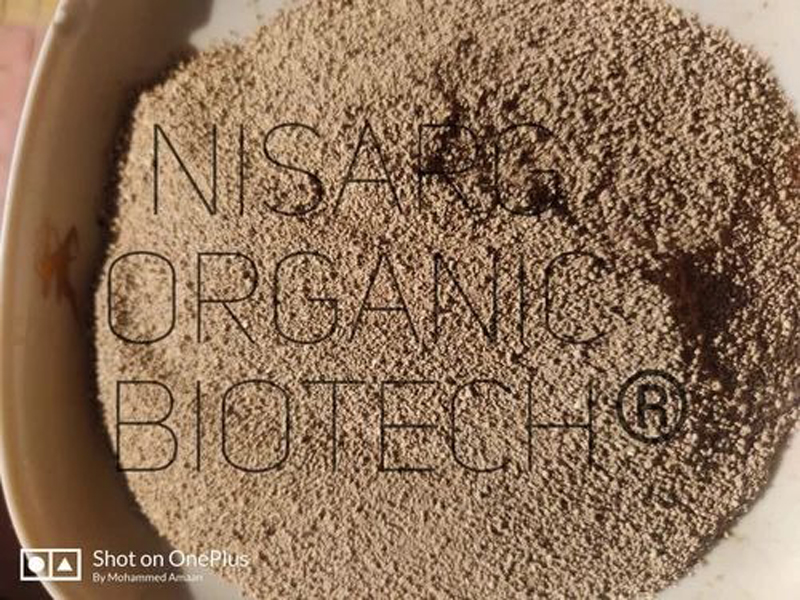
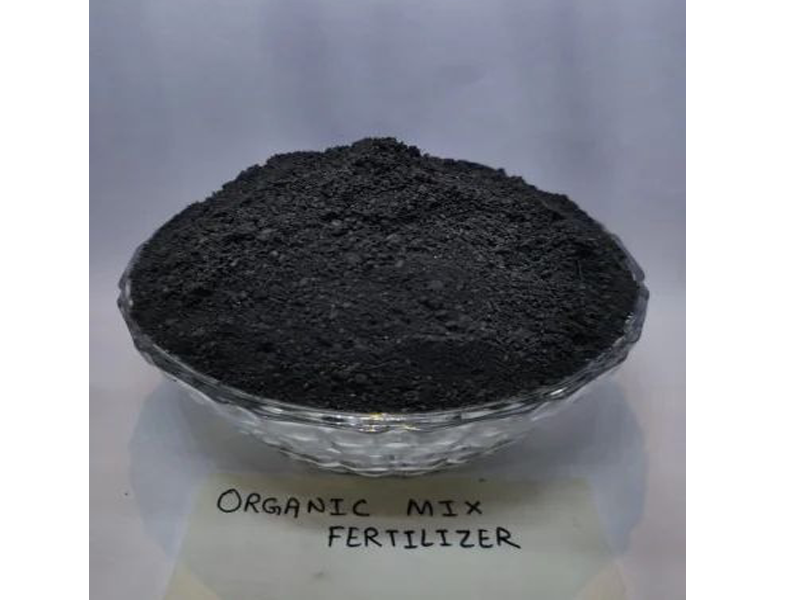
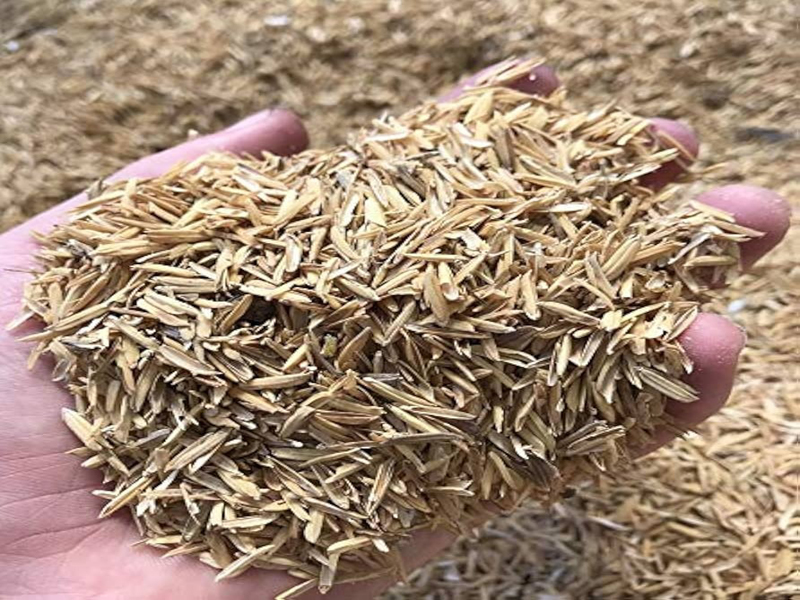
Mulching: Rice husks can be used as a mulching material to cover the soil surface around plants. Mulching helps retain soil moisture, suppress weed growth, and regulate soil temperature.
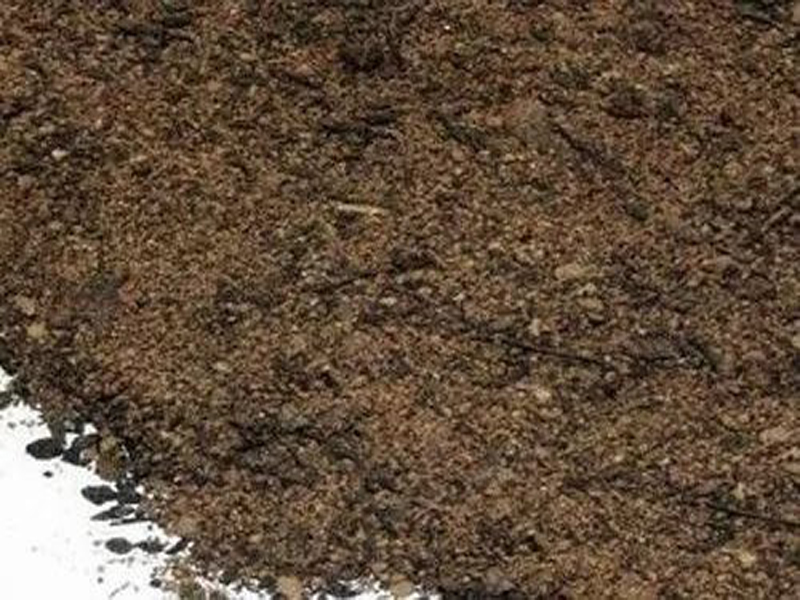
Soil Amendment: Rice husks can be incorporated into the soil as an organic amendment. They improve soil structure, aeration, and water retention capacity, particularly in clay soils. Over time, rice husks also decompose, adding organic matter to the soil.
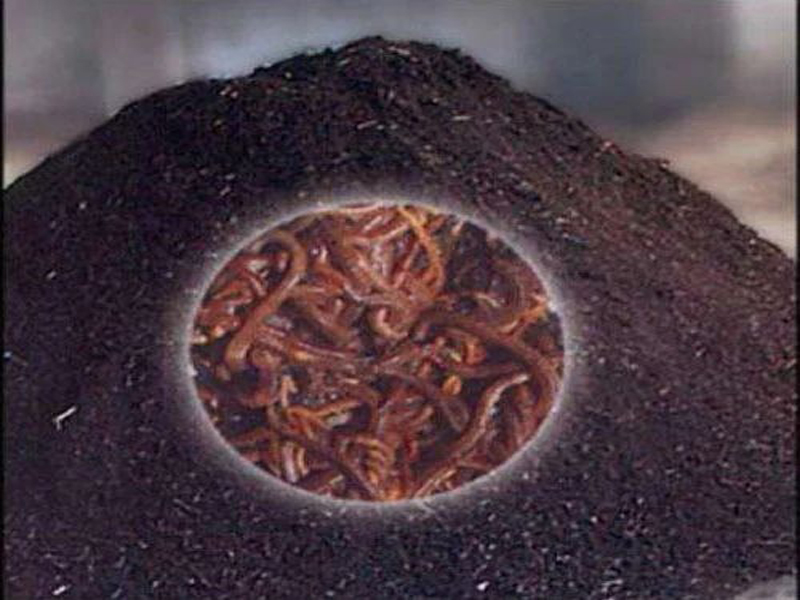
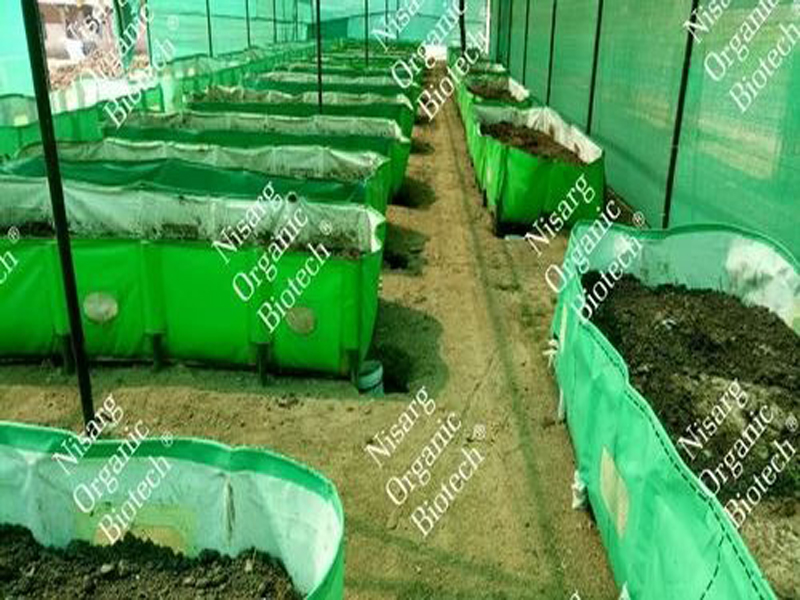
Composting: Rice husks can be composted along with other organic materials to produce nutrient-rich compost. Composting rice husks helps break them down into a form that can be easily absorbed by plants, and the resulting compost can be used as a soil conditioner and fertilizer.
Biochar: Rice husks can be converted into biochar through a process called pyrolysis. Biochar is a stable form of carbon that can improve soil fertility, water retention, and nutrient availability. It also helps sequester carbon in the soil, contributing to climate change mitigation.
Substrate for Mushroom Cultivation: Rice husks can serve as a substrate for growing mushrooms, particularly species like oyster mushrooms. They provide a suitable medium for mushroom mycelium growth and can be used in both indoor and outdoor mushroom cultivation.
Animal Bedding: Rice husks can be used as bedding material for livestock and poultry. They provide a comfortable and absorbent bedding surface, helping to maintain cleanliness in animal housing facilities.
Biogas Production: Rice husks can be utilized as a feedstock for biogas production through anaerobic digestion. Biogas produced from rice husks can be used as a renewable energy source for cooking, heating, and electricity generation.
Erosion Control: Rice husks can be used in erosion control measures such as erosion blankets or wattles. They help stabilize soil and prevent erosion on slopes and bare soil surfaces.
Utilizing rice husks in agriculture provides a sustainable way to manage agricultural waste while improving soil health and productivity. However, it’s essential to consider local conditions, availability, and specific requirements before implementing any of these practices.
Additional Information:
- Item Code: RH1011
- Production Capacity: 100 tons per day
- Delivery Time: 7 days
- Packaging Details: 25 kg bag