₹ 10/KgGet Latest Price
Minimum Order Quantity: 500 Kg
| Packaging Size | 50 kg |
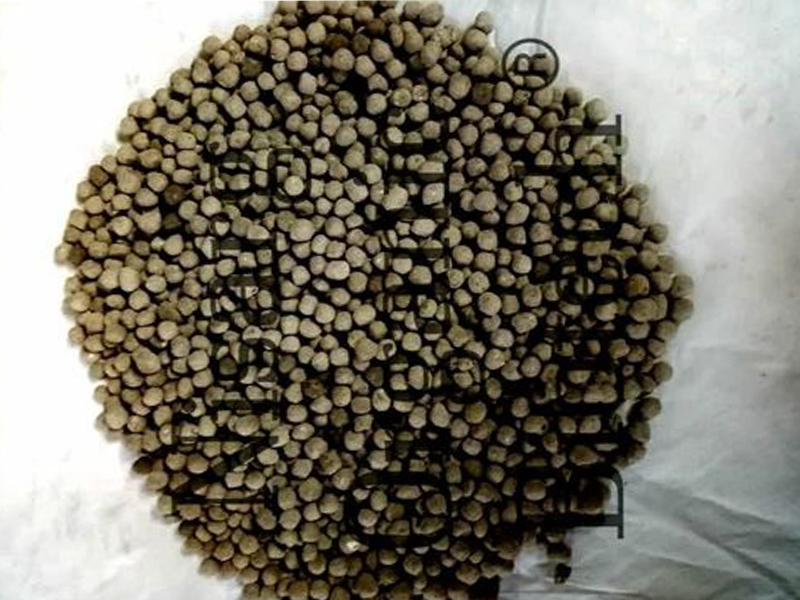
| Form | Granules |
| Target Crops | Vegetables |
| Packaging Type | Bag |
| Grade | Bio Tech Grade |
| Color | Black |
| Usage/Application | Agriculture |
| Grade Standard | Agricultural |
Goat manure is a valuable and nutrient-rich organic fertilizer that can benefit plants and improve soil health. Here are some key points about goat manure:
Nutrient Content: Goat manure is rich in essential nutrients such as nitrogen, phosphorus, and potassium. These nutrients are vital for plant growth, development, and overall health.
Organic Matter: In addition to essential nutrients, goat manure also contributes organic matter to the soil. This organic matter improves soil structure, water retention, and aeration.
pH Level: Goat manure generally has a neutral pH, which means it is suitable for a wide range of plants. However, the pH may vary depending on the goat’s diet.
Composting: Like other types of manure, it’s advisable to compost goat manure before using it in the garden. Composting helps break down the manure, eliminates pathogens, and reduces the risk of burning plants due to excess nitrogen.
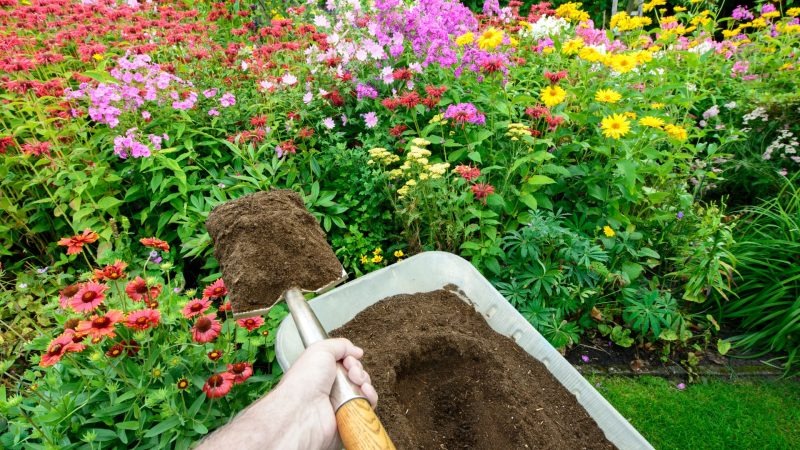
Application: Goat manure can be used as a side dressing for existing plants or incorporated into the soil when preparing a new garden bed. The exact application rate will depend on factors such as the size of the plants, the type of soil, and the specific nutrient needs of the plants.
Caution: While goat manure is generally considered beneficial, it’s essential to use it judiciously. Excessive application can lead to an imbalance of nutrients, particularly nitrogen, which may harm plants. Always follow recommended guidelines for the application of manure.
Source: The quality of goat manure can vary depending on factors such as the goat’s diet and living conditions. Manure from goats that are fed a balanced diet and kept in clean and healthy environments is preferable.
Integration with Other Amendments: Goat manure can be used in conjunction with other organic amendments, such as compost, to create a well-rounded soil improvement strategy.
Remember to check local regulations and guidelines for the use of manure in your area. Additionally, always wash vegetables thoroughly if goat manure has been used in the garden to avoid any potential contamination
₹ 10/KgGet Latest Price
Minimum Order Quantity: 500 Kg
| Packaging Size | 25 kg |
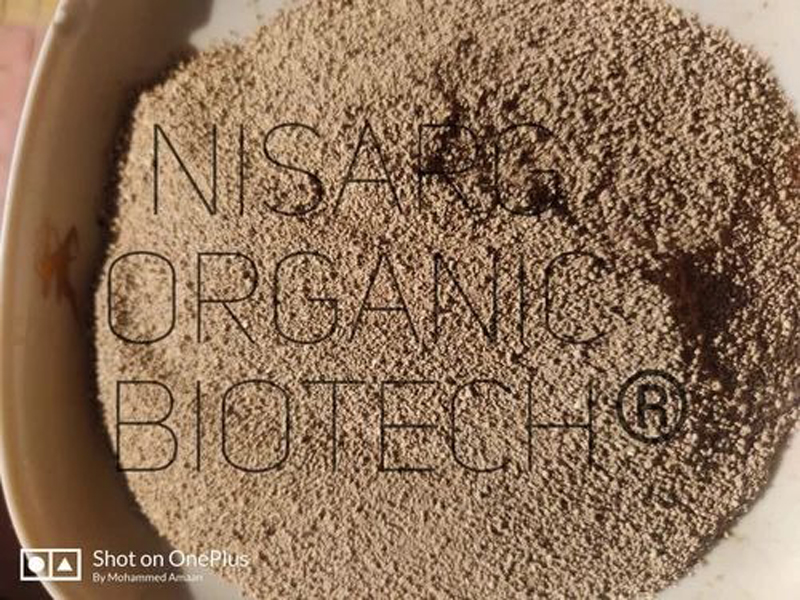
| Form | Powder |
| Packaging Type | HDPE Bag |
| Color | Red |
| Usage/Application | Agriculture |
| Target Crops | Plants |
| Grade Standard | Organic Grade |
| Brand | Nisarg |
| Shelf Life | 1 Year |
| Country of Origin | Made in India |
Potting soil, also known as potting mix or potting compost, is a specially formulated growing medium used for cultivating plants in containers, such as pots, containers, or planters. It is designed to provide an ideal environment for plant growth by offering the necessary nutrients, aeration, drainage, and moisture retention. Here are some key features of potting soil:
Composition: Potting soil typically consists of a blend of various organic and inorganic materials, including peat moss, coconut coir, perlite, vermiculite, compost, and often some added fertilizers and pH adjusters.
Nutrients: Many potting soils come with a balanced mixture of essential plant nutrients, including nitrogen, phosphorus, and potassium, to support healthy plant growth. Some potting mixes may also include micronutrients like calcium, magnesium, and sulfur.
Aeration: Potting soil is designed to provide good aeration to the roots of plants. Materials like perlite and vermiculite are added to improve soil structure and promote root development.
Drainage: Proper drainage is crucial to prevent waterlogged soil, which can lead to root rot. Potting soil is formulated to allow excess water to drain away while retaining enough moisture for the plants.
pH Level: The pH level of potting soil is usually adjusted to be neutral or slightly acidic, which is suitable for a wide range of plants. Some specific plants may require more acidic or alkaline soil, in which case you can make adjustments accordingly.
Sterility: Potting soil is typically free of weed seeds, pests, and diseases, which reduces the risk of these issues in your potted plants.
Specialized Mixes: There are different potting soil mixes available for various types of plants, such as cacti and succulents, orchids, and specific vegetables. These mixes are tailored to meet the unique requirements of these plants.
When using potting soil, it’s important to choose the right type of mix for your specific plants and containers, and to follow proper watering and care practices to ensure the health and vitality of your plants. Additionally, you may need to periodically repot your plants using fresh potting soil to maintain their well-being, as the nutrients in the soil can become depleted over time.
Additional Information:
Nisarg Organic Biotech™ Manufacturer, Suppliers and Traders of high quality Organic Fertilizers like,waste management service,Vermi compost, Organic Mix Fertilizer, House Garden Fertilizer, Mushroom Compost, Spent Wash Press Mud Compost,